Chicago Rack Inspection Services | OSHA Compliant | Rusch Rack Inspections
Chicago Rack Inspection Services: OSHA Compliant Safety and Training Solutions by Rusch Rack Inspections

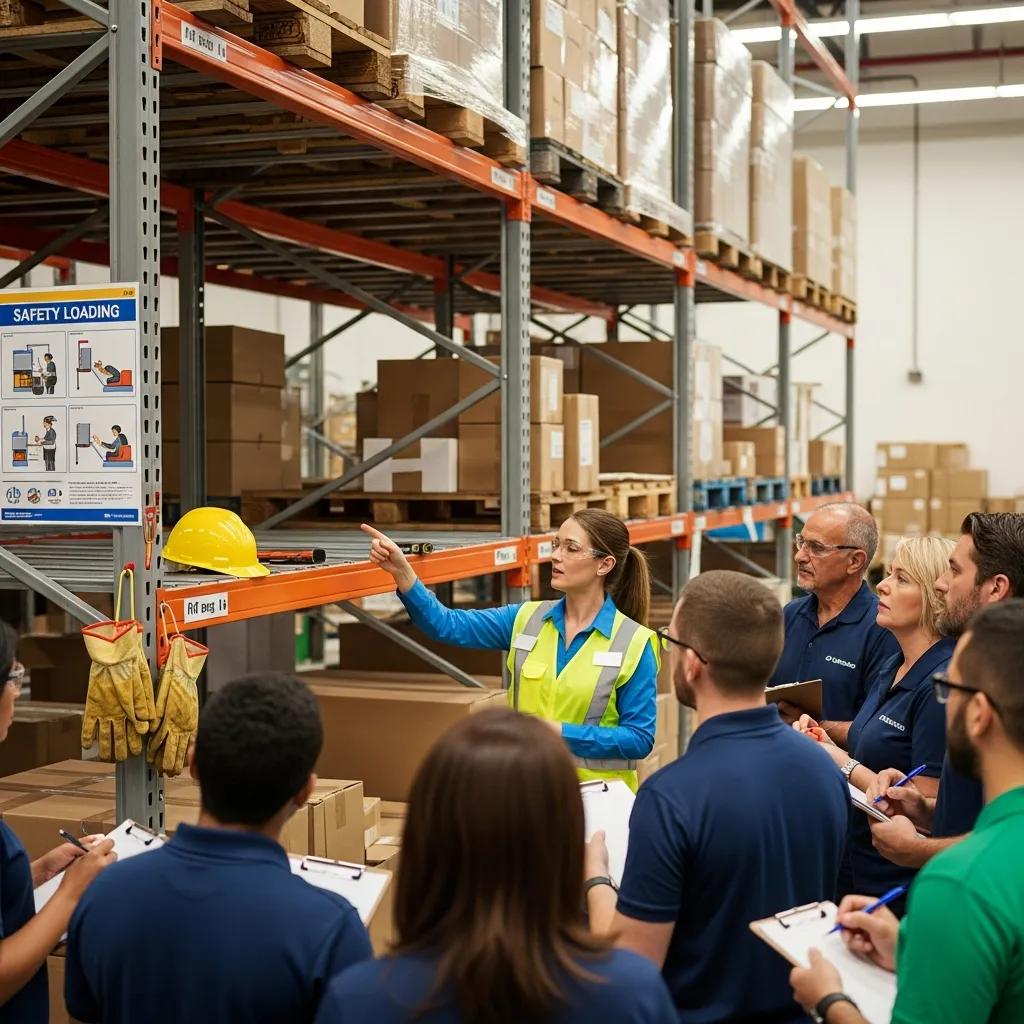
Rusch Rack Inspections offers OSHA-compliant safety and training solutions, including comprehensive rack inspection services and training courses designed to enhance warehouse safety. Their training covers safety hazards, compliance regulations, and best practices, with a focus on equipping participants to maintain a safe working environment. The training typically lasts one full day and includes materials such as manuals and safety checklists. Participants receive the Rusch Rack Inspections Safety Champion Certification upon completion. This article will explore the essential aspects of warehouse rack inspections, the importance of OSHA compliance, and the training opportunities available through Rusch Rack Inspections. We will also discuss how warehouse operators can prevent rack damage and ensure safety compliance, along with the benefits of choosing Rusch Rack Inspections for your safety needs.
What Are OSHA Requirements for Warehouse Rack Inspections in Chicago?
OSHA requirements for warehouse rack inspections in Chicago are designed to ensure the safety and structural integrity of rack systems used in warehouses. While OSHA does not have a specific standard that mandates the frequency of rack inspections, OSHA’s general duty clause requires employers to provide a workplace free from recognized hazards, which includes maintaining safe storage racks. Additionally, OSHA references the Rack Manufacturers Institute (RMI) standards for pallet rack safety, which recommend regular inspections. These guidelines encourage warehouse operators to conduct regular inspections to identify potential hazards and maintain compliance with safety standards. Adhering to these requirements not only protects employees but also minimizes the risk of accidents and injuries in the workplace.
Key OSHA Compliance Standards for Industrial Rack Safety
Key OSHA compliance standards for industrial rack safety emphasized in training include:
- Proper rack usage guidelines: Ensuring that racks are used according to manufacturer specifications and safety protocols.
- Industry-specific safety protocols: Adhering to safety measures tailored to the specific needs of different industries.
- Regular inspections to identify hazards: Conducting routine checks to detect any signs of damage or wear that could compromise safety.
These standards ensure participants are equipped to maintain compliance and enhance safety in warehouse environments.
How Often Should Warehouse Racks Be Inspected According to OSHA?
OSHA does not specify an exact frequency for warehouse rack inspections. However, industry best practices, including those recommended by the Rack Manufacturers Institute (RMI), suggest that racks should be inspected at least once a year by a qualified person, with more frequent visual inspections conducted by warehouse staff. Regular inspections help identify potential hazards and prevent accidents, making it essential for warehouse operators to establish a routine inspection schedule based on their specific operational needs.
How Does Rusch Rack Inspections Conduct Comprehensive Rack Safety Audits?
Rusch Rack Inspections conducts comprehensive rack safety audits by providing photo-based, sortable reports and compliance-ready documentation. This approach allows organizations to identify risks and take immediate action to mitigate them before any incidents occur. The audits are part of a broader commitment to warehouse safety, which includes training staff to recognize hazards and adhere to safety protocols.
Step-by-Step Rack Inspection Process and Structural Integrity Assessment
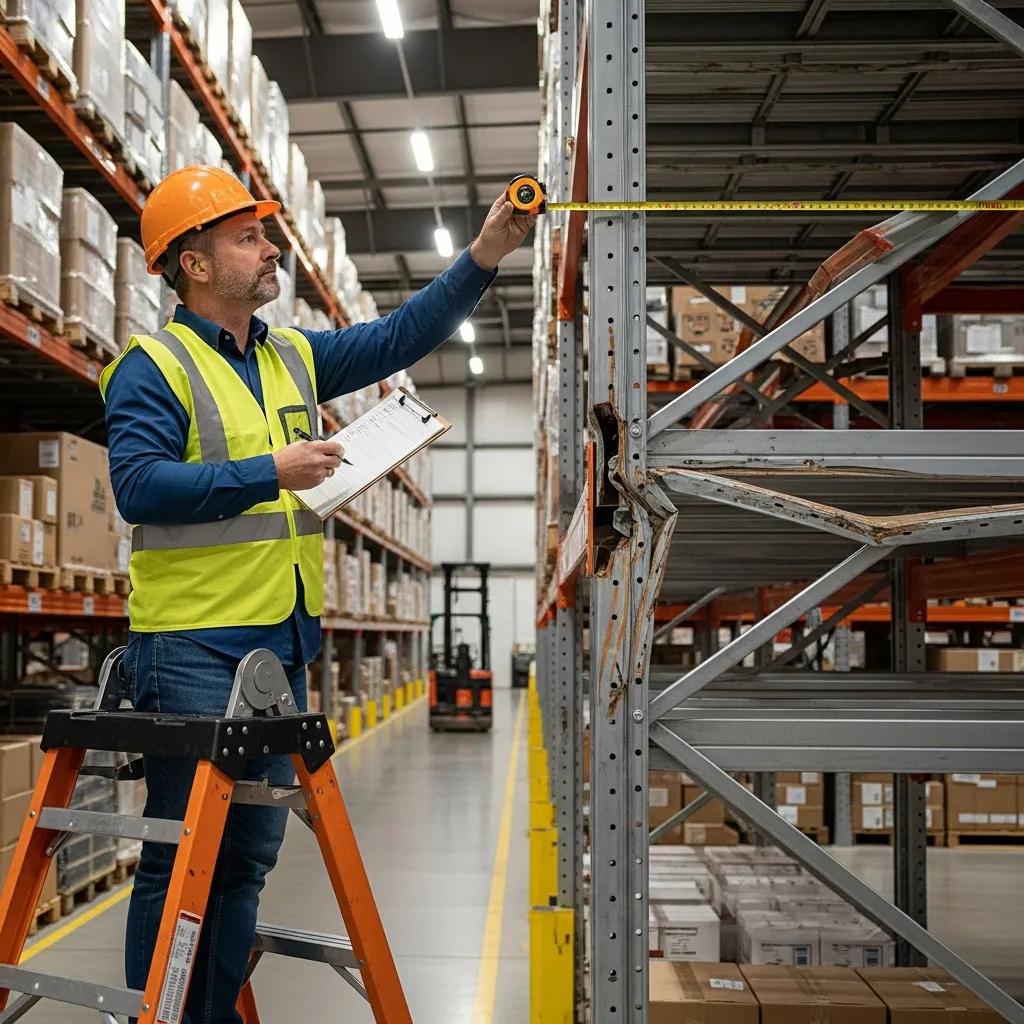
The rack inspection process involves several critical steps to ensure thorough assessments of structural integrity. Inspectors begin by visually examining the rack systems for any signs of damage, such as bent beams or loose connections. They then assess the load capacity and ensure that the racks are being used according to safety guidelines. Finally, detailed reports are generated to document findings and recommend necessary repairs or maintenance.
Identifying and Documenting Pallet Rack Damage for Safety Assurance
Identifying and documenting pallet rack damage is crucial for maintaining safety assurance in warehouse environments. Common types of damage include:
- Bent beams: Often caused by overloading or improper use.
- Loose connections: Can lead to instability and potential collapse.
- Corrosion or rust: Indicates deterioration that may compromise structural integrity.
Proper documentation of these issues allows for timely repairs and helps prevent accidents.
Advancements in technology are also exploring new methods to enhance the efficiency and accuracy of identifying such critical damage.
Automated Damage Detection for Warehouse Pallet Racks
In this research, we leverage such techniques to develop automated damage detection for warehouse pallet racking systems, critical but susceptible components of inventory storage.
Attention-based automated pallet racking damage detection, MAR Alif, 2024
What Training Courses Does Rusch Rack Inspections Offer for Rack Inspection Certification in Chicago?
Rusch Rack Inspections offers rack inspection training courses that cover identifying safety hazards, understanding compliance regulations, conducting thorough inspections, and implementing best practices for maintaining warehouse safety. The training typically lasts one full day and includes comprehensive manuals, safety checklists, and hands-on inspection tools. Participants can earn the Rusch Rack Inspections Safety Champion Certification upon completion. Training can also be customized for specific warehouses and is available in both in-person and online formats.
Overview of Rack Inspection Training Curriculum and Certification Benefits
The Rack Inspection Training Curriculum provides comprehensive instruction on safety protocols, compliance regulations, and hazard identification in warehouse environments. Participants learn to conduct thorough inspections and implement best practices for maintaining safety.
Certification benefits include the Rusch Rack Inspections Safety Champion Certification, which validates participants' skills in identifying safety hazards and ensuring compliance. Organizations benefit from reduced accident risks, improved employee morale, and enhanced operational efficiency. The training fosters a culture of safety and accountability among staff, ultimately leading to a safer work environment and minimized legal liabilities.
Post-training support includes access to resources, refresher courses, and expert consultations to maintain compliance and address safety challenges.
How Training Empowers Warehouse Staff to Maintain OSHA Compliance
Training empowers warehouse staff to maintain OSHA compliance by equipping them with the knowledge and skills necessary to identify safety hazards, adhere to safety protocols, and effectively respond to emergencies. This training enhances overall workplace safety, improves compliance with regulations, and fosters a culture of safety and accountability among staff. Additionally, trained employees are more confident in their roles, leading to better decision-making and a proactive approach to safety, which ultimately helps organizations reduce risks and maintain compliance with OSHA standards.
How Can Warehouse Operators Prevent Rack Damage and Ensure Safety Compliance?
Warehouse operators can prevent rack damage and ensure safety compliance by:
- Identifying Safety Hazards: Regularly assess the warehouse for potential risks, such as improper rack installation and overloading shelves.
- Understanding Compliance Regulations: Stay informed about safety regulations, particularly OSHA standards, and ensure adherence to them.
- Conducting Thorough Inspections: Implement routine inspections of racks and storage systems to identify and address issues promptly.
- Implementing Best Practices: Follow industry-specific safety protocols and guidelines for proper rack usage.
- Providing Training: Ensure that warehouse staff, safety managers, and compliance officers receive comprehensive training on safety standards and hazard identification.
- Fostering a Safety Culture: Encourage accountability and a proactive approach to safety among all employees.
These measures help create a safer working environment and minimize the risk of accidents and injuries.
Common Types of Rack Damage and Their Impact on Warehouse Safety
Common types of rack damage include:
- Bent beams: Can lead to structural failure if not addressed.
- Loose connections: Increase the risk of rack collapse.
- Overloaded shelves: May cause shelves to buckle or fail.
Understanding these damage types is crucial for maintaining safety and preventing accidents in the warehouse.
Best Practices for Rack Maintenance and Load Capacity Testing
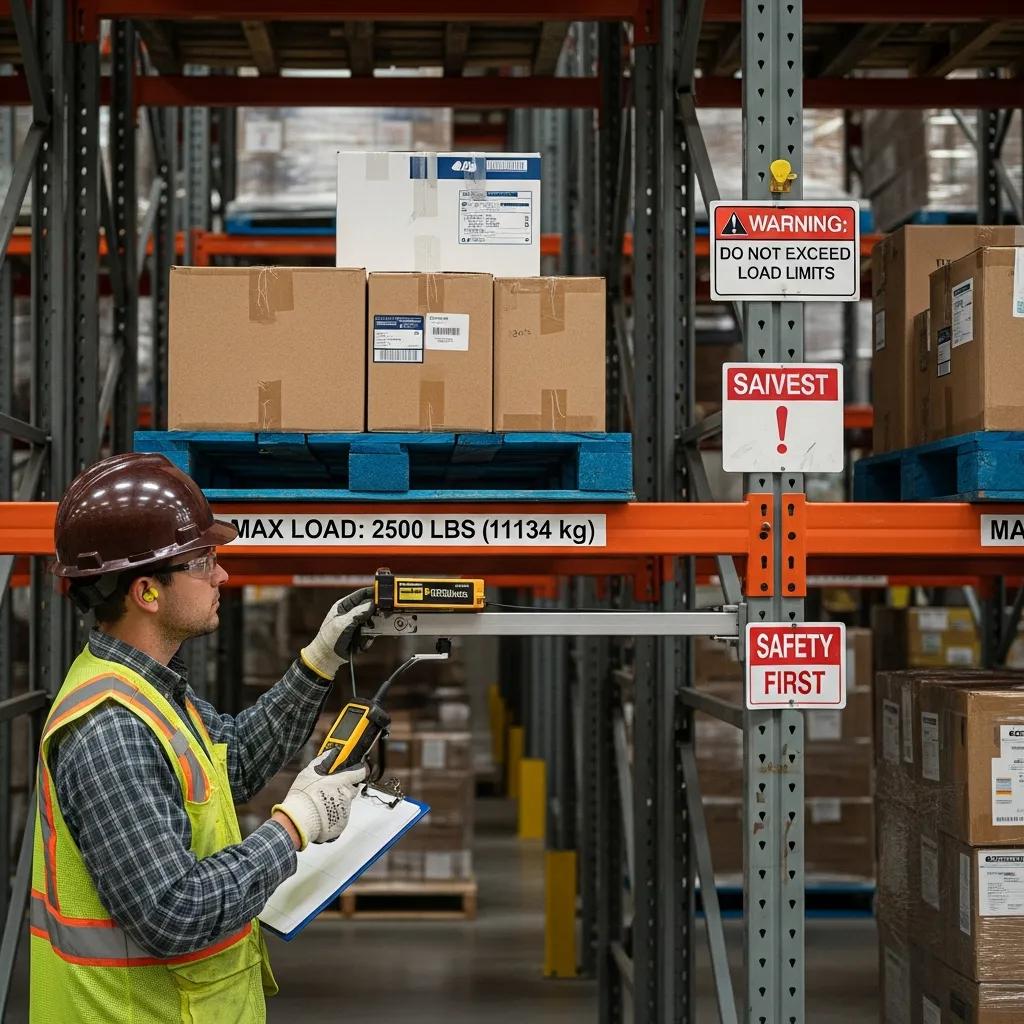
To ensure the safety and longevity of rack systems, warehouse operators should implement best practices such as:
- Regular maintenance checks: Schedule routine inspections to identify wear and tear.
- Load capacity testing: Verify that racks are not overloaded beyond their specified limits.
- Proper training for staff: Educate employees on safe loading practices and hazard recognition.
These practices help maintain compliance with safety regulations and protect employees from potential hazards.
What Are the Benefits of Choosing Rusch Rack Inspections for Chicago Warehouse Safety?
The benefits of choosing Rusch Rack Inspections for Chicago warehouse safety include:
- Comprehensive Reports: They provide photo-based, sortable reports and compliance-ready documentation, helping businesses identify risks and act promptly.
- Proactive Safety Measures: Their services help reduce the risk of accidents, thereby protecting employees and minimizing costly downtime and legal liabilities.
- Improved Employee Morale: Training enhances employee confidence in maintaining a safe work environment, leading to increased engagement and productivity.
- Expert Training: Rusch Rack Inspections offers specialized training that equips staff with the knowledge to identify hazards and comply with safety regulations.
- Ongoing Support: They provide follow-up support, including access to resources and refresher courses, to ensure continued compliance and safety in the workplace.
Expertise in OSHA Regulations and Detailed Inspection Reporting
Rusch Rack Inspections brings extensive expertise in OSHA regulations, ensuring that all inspections and training programs are aligned with current safety standards. Their detailed inspection reporting provides clients with clear insights into potential risks and compliance status, enabling informed decision-making to enhance workplace safety.
Client Testimonials and Success Stories in Rack Safety Compliance
Rusch Rack Inspections has received positive feedback from clients who have successfully improved their safety compliance through their services. Many organizations report reduced accident rates and enhanced employee confidence after participating in the training programs, highlighting the effectiveness of Rusch Rack Inspections in fostering a culture of safety.
How to Schedule OSHA Compliant Rack Inspections and Training with Rusch Rack Inspections?
To schedule OSHA-compliant rack inspections and training with Rusch Rack Inspections, you can visit their website to browse available courses and complete a registration form. After registration, you will receive a confirmation email with details about the course schedule and location. For more information, you can also contact them directly at 616-291-7205 or via email at [email protected].
Contact Information and Booking Process for Inspection Services
For inspection services, you can contact Rusch Rack Inspections at 616-291-7205 or via email at [email protected]. To book a training course, visit their website, select the desired course, and complete the registration form.
Available Packages and Pricing for Rack Inspection and Training
Rusch Rack Inspections offers various packages for rack inspection and training services, tailored to meet the specific needs of different warehouses. Pricing details can be obtained by contacting their office or visiting their website for more information on available options.
